Monday, 5 February 2024

Automatic missile


Introduction:

Missiles, once simple projectiles, have evolved into sophisticated weapons with significant strategic importance. This article delves into the historical development, technological advancements, and contemporary role of missiles in military arsenals around the world.

Ancient Origins:

The concept of missiles dates back to ancient times when early civilizations used basic forms of projectiles, such as spears and arrows, for offense and defense. These rudimentary missiles laid the groundwork for the technological advancements that would follow.

The Rocketry Revolution:

The development of gunpowder in medieval China paved the way for the invention of rockets. During the Middle Ages, Chinese, Arab, and European inventors contributed to the evolution of rocketry, setting the stage for more advanced missile technologies.

World War II and the V-2 Rocket:

The use of ballistic missiles gained prominence during World War II with the introduction of the V-2 rocket by Nazi Germany. This marked a significant leap in missile technology, foreshadowing the post-war era's missile arms race.


The Cold War Arms Race:

The Cold War between the United States and the Soviet Union witnessed a dramatic escalation in missile capabilities. Intercontinental ballistic missiles (ICBMs) became a key component of nuclear deterrence, leading to the doctrine of Mutually Assured Destruction (MAD).

Technological Advancements:

Advancements in guidance systems, propulsion, and miniaturization have transformed missiles into highly accurate and versatile weapons. Cruise missiles and precision-guided munitions have become integral to modern military operations, enabling targeted strikes with minimal collateral damage.

Missiles in the 21st Century:

Missiles play a pivotal role in contemporary military strategies, with nations investing in diverse missile systems, including hypersonic missiles, anti-ship missiles, and anti-ballistic missile defenses. The ability to project force over long distances has reshaped the geopolitical landscape.

Challenges and Concerns:

While missiles provide strategic advantages, concerns arise over their potential misuse, proliferation, and the destabilizing effects on global security. International efforts, including arms control agreements, aim to address these challenges and promote responsible missile development.


Sunday, 4 February 2024

Atomic bomb


Introduction:

The development and deployment of the atomic bomb during World War II marked a turning point in human history, introducing a new era of warfare and shaping the geopolitical landscape. This article explores the origins, impact, and ongoing ramifications of the atomic bomb.

Origins of the Atomic Bomb:

The atomic bomb's creation stemmed from the Manhattan Project, a massive and secretive research initiative led by the United States. Physicists like Robert Oppenheimer played crucial roles in harnessing nuclear fission, leading to the successful test of the first atomic bomb in July 1945.

Deployment on Hiroshima and Nagasaki:

The devastating use of atomic bombs on Hiroshima (August 6, 1945) and Nagasaki (August 9, 1945) by the U.S. marked the first and only instances of nuclear weapons being employed in warfare. The bombings led to Japan's swift surrender, but the ethical implications and human toll sparked intense debates.

Ethical Considerations:

The use of atomic bombs raised profound ethical questions, with critics arguing against the indiscriminate destruction and loss of civilian lives. The bombings continue to be a subject of moral reflection and discussions surrounding the "just war" theory.

The Nuclear Age and the Cold War:

The successful development of atomic weapons triggered the start of the Nuclear Age, characterized by the United States and the Soviet Union engaging in a tense Cold War arms race. The threat of mutually assured destruction loomed large, shaping global politics for decades

International Response:

In response to the dangers posed by nuclear weapons, the international community sought mechanisms to prevent their proliferation. The Treaty on the Non-Proliferation of Nuclear Weapons (NPT) emerged, aiming to control the spread of nuclear weapons and promote disarmament.

Ongoing Challenges:

Despite efforts to curb nuclear proliferation, challenges persist. Nations like North Korea and Iran have pursued nuclear capabilities, posing new threats to global security. The delicate balance between nuclear deterrence and disarmament remains a complex and ongoing international concern.

Saturday, 3 February 2024

Automatic Rikshaw


Introduction of Auto rickshaw:

Auto rickshaws, with their distinctive three-wheeled design, have become an integral part of urban landscapes around the world. This article explores the evolution of auto rickshaws, their role in urban transportation, and the unique charm they bring to the streets.

1. A Brief History:

Tracing the roots of auto rickshaws reveals a fascinating journey from their origins to their widespread adoption. Explore how these compact vehicles emerged as a popular mode of transportation, filling the gap between larger taxis and public buses. Highlight innovations in design and technology that have shaped the modern auto rickshaw.

2. Design and Features:

Auto rickshaws are characterized by their compact size, open sides, and distinctive canopy. Delve into the design elements that make them suitable for navigating through congested urban traffic. Discuss features such as fuel efficiency, maneuverability, and the convenience they offer to both drivers and passengers.

3. Role in Urban Transportation:

Auto rickshaws play a crucial role in urban transportation, providing a convenient and cost-effective option for short-distance travel. Explore how these vehicles contribute to reducing traffic congestion, especially in densely populated cities, and provide last-mile connectivity in areas where larger vehicles may struggle to navigate.

4. Challenges and Innovations:

Discuss the challenges faced by the auto rickshaw industry, including issues related to emissions, safety, and regulations. Highlight innovative solutions, such as the introduction of electric auto rickshaws and improvements in safety features, aimed at addressing these challenges and making auto rickshaws more sustainable.

5. Cultural Significance:

Beyond their practical utility, auto rickshaws have become cultural symbols in many regions. Explore how these vehicles reflect the spirit of local communities, often adorned with vibrant colors, artwork, and unique designs. Discuss the cultural significance of auto rickshaws in different parts of the world.

Friday, 2 February 2024

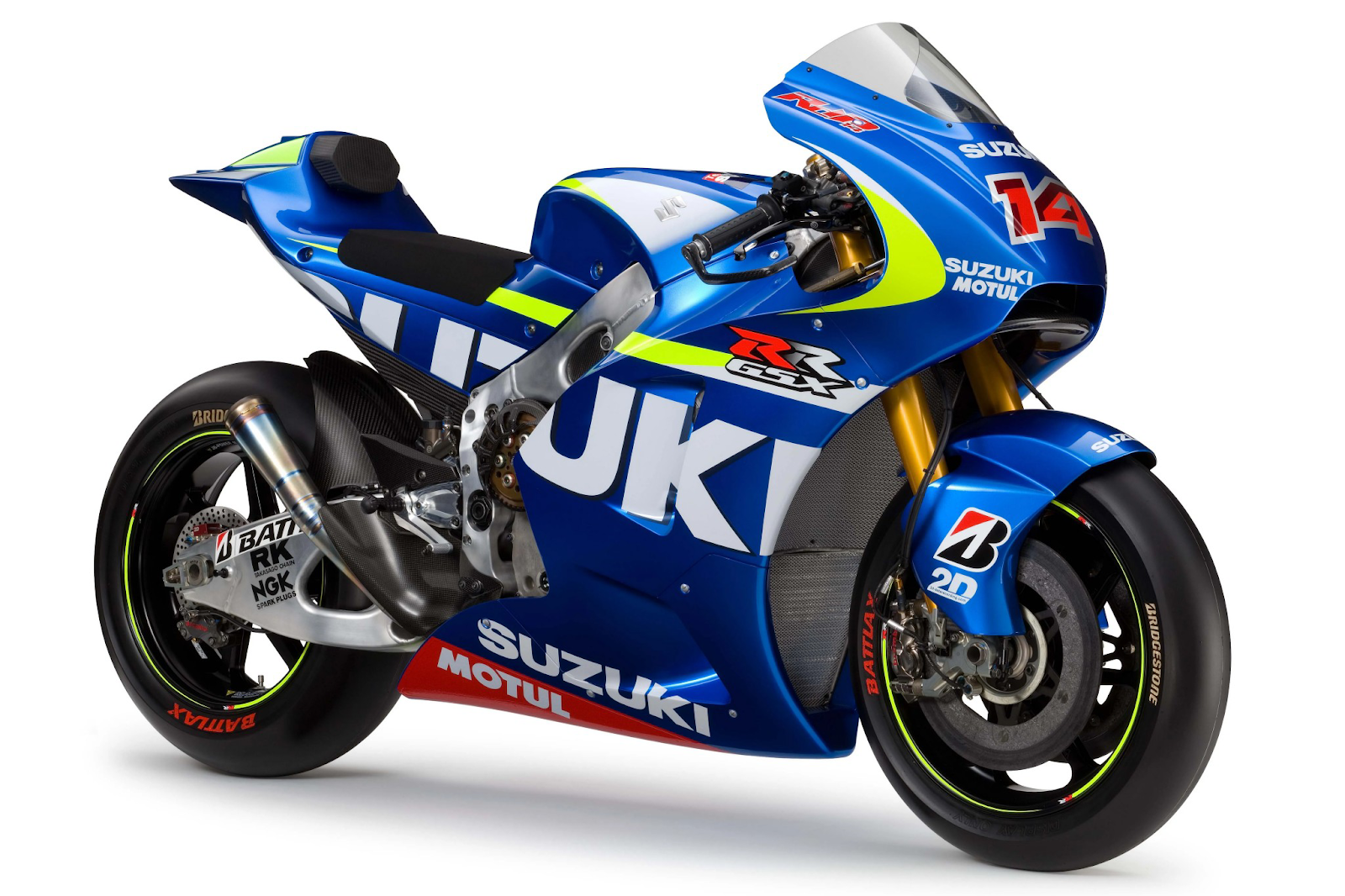
Racing bike


Introduction:

Racing bikes, characterized by their sleek design and lightweight frames, have captivated enthusiasts and professionals alike. This article explores the exhilarating world of racing bikes, delving into their key components, the thrill of speed, and the culture surrounding this high-paced sport.


1. Anatomy of a Racing Bike:

Breaking down the anatomy of a racing bike reveals a precision-engineered machine. From the aerodynamic frame to the lightweight carbon fiber components, each element plays a crucial role in maximizing speed and efficiency. Explore how advancements in materials and design contribute to the overall performance of these bikes.


2. Speed and Precision:

At the heart of racing bike culture is the pursuit of speed and precision. Dive into the technology behind cutting-edge gear systems, high-performance tires, and aerodynamic innovations that allow cyclists to push the limits of velocity. Understand how athletes harness their skills to navigate challenging terrains with finesse.

3. The Competitive Landscape:

From professional racing circuits to local competitions, the world of racing bikes is a stage for fierce competition. Explore the dynamics of major cycling events, the strategies employed by elite athletes, and the importance of teamwork in team cycling. Highlight memorable moments from iconic races that have left an indelible mark on the sport.


4. Training and Fitness:

Racing at high speeds demands exceptional physical fitness and mental endurance. Uncover the rigorous training regimens adopted by professional cyclists, emphasizing the importance of strength, stamina, and agility. Learn how athletes balance their physical conditioning with mental fortitude to excel in the demanding world of racing.

5. The Thrill of the Ride:

Beyond the technical aspects, the sheer joy of riding a racing bike is a fundamental part of the experience. Hear firsthand accounts from enthusiasts who share their love for the open road, the wind in their faces, and the sense of freedom that comes with mastering the art of racing.

Thursday, 1 February 2024

Auto Matic truck

 The Evolution of Automatic Trucks: 

A Technological Frontier in Freight Transportation

Introduction:

Automatic trucks, also referred to as self-driving or autonomous trucks, represent a groundbreaking innovation in the realm of freight transportation. This article explores the key points surrounding the development, features, benefits, challenges, and future prospects of automatic trucks.

1. Technological Advancements:

Automatic trucks leverage cutting-edge technologies, including artificial intelligence, radar systems, and advanced sensors. These innovations enable the trucks to perceive and navigate their surroundings, making them capable of autonomous operation.

2. Enhanced Safety:

One of the primary advantages of automatic trucks is the potential for increased safety on the roads. These vehicles can react faster than human drivers, reducing the risk of accidents caused by factors such as fatigue, distraction, or impaired driving.

3. Efficiency and Productivity:

Automation in trucking promises improved efficiency in logistics and freight transportation. Automatic trucks can operate continuously, minimizing downtime and optimizing delivery schedules, ultimately leading to enhanced productivity in the transportation industry.

4. Environmental Impact:

Automatic trucks have the potential to contribute to environmental sustainability. With optimized route planning and fuel efficiency, these vehicles can reduce carbon emissions and overall environmental impact, aligning with global efforts toward greener transportation.

5. Challenges and Ethical Considerations:

Despite the promises of automation, challenges persist. Safety concerns, regulatory frameworks, and the potential displacement of jobs raise ethical considerations. Striking a balance between innovation and addressing these challenges is crucial for the responsible integration of automatic trucks into the transportation ecosystem.

6. Industry Adoption and Regulations:

The widespread adoption of automatic trucks depends on regulatory frameworks and industry acceptance. Governments and transportation authorities play a pivotal role in establishing guidelines and standards to ensure the safe and ethical deployment of these autonomous vehicle.

Wednesday, 31 January 2024

Rocket

Designing Rocket

1.Fundamental Principle: Rockets operate on Newton's third law of motion—action and reaction. The expulsion of mass at high velocities generates thrust, propelling the rocket in the opposite direction.

2. Aerodynamics: Rocket design emphasizes aerodynamics to minimize air resistance during launch. Sleek shapes and pointed noses reduce drag, optimizing the rocket's ascent through the Earth's atmosphere.

3. Propulsion Systems: Rockets use various propulsion systems, including liquid and solid fuels. Liquid propellants allow for precise control and shut-off, while solid fuels offer simplicity and reliability.

4. Launch Vehicles: Rockets serve as launch vehicles, propelling payloads into space. These payloads can include satellites, scientific instruments, or crewed spacecraft, depending on the mission's objectives.

5. Space Exploration Milestones: Rockets have played a pivotal role in significant space exploration milestones, such as the Apollo missions that landed humans on the Moon. They continue to be vital for probes, rovers, and telescopes exploring our solar system and beyond. 

Expendable vs. Reusable: Traditional rockets are often expendable, meaning they are used once. However, recent advancements, notably by companies like SpaceX, focus on reusable rocket technology, aiming to reduce costs and environmental impact.

7. Launch Sites: Rockets are launched from specialized facilities called launch sites or spaceports. These locations provide the infrastructure and safety measures necessary for successful rocket launches.

8. Satellite Deployment: Rockets frequently deploy satellites into orbit for communication, Earth observation, and scientific research. Different orbits serve various purposes, from geostationary orbits for communication satellites to polar orbits for Earth observation.

9. Interplanetary Exploration: Rockets enable interplanetary exploration, with missions like Mars rovers and probes traveling vast distances to study other celestial bodies.

10. Future Developments: Ongoing research and development aim to enhance rocket technology, making launches more cost-effective, efficient, and environmentally friendly. Innovations such as ion propulsion and new propellant technologies show promise for the future of space travel.

Tuesday, 30 January 2024

Machine gun

 The Evolution of Machine Guns:

From Gatling to Modern Firepower


Introduction:

The machine gun, a formidable weapon that transformed the nature of warfare, has a rich history marked by innovation, engineering prowess, and strategic impact. This article explores the evolution of machine guns, tracing their development from the hand-cranked Gatling gun to the sophisticated, rapid-fire weapons that define modern military arsenals.

1. Gatling Gun and Early Precursors:

In the mid-19th century, Dr. Richard Gatling invention, the Gatling gun, introduced the concept of a hand-cranked, multi-barreled firearm. Although manually operated, it laid the foundation for the rapid-fire capabilities that would become synonymous with machine guns. Early models were used sparingly in conflicts, hinting at the potential of automatic firepower.

2. Maxim's Mastery:

The late 19th century saw the rise of Hiram Maxim, whose invention of the Maxim gun revolutionized machine gun technology. The Maxim gun featured an automatic firing mechanism, powered by the energy of each fired round. Its reliability and sustained fire capability made it a dominant force in late 19th and early 20th-century conflicts.

3. World War I and the Birth of Automatic Firearms:

World War I witnessed the widespread use of machine guns, altering the dynamics of trench warfare. Firearms like the German MG 08 and the British Vickers machine gun demonstrated the devastating impact of sustained automatic fire, emphasizing the need for infantry tactics to adapt to this new reality.

4. Interwar Innovations:

The interwar period saw further innovations in machine gun design. Lighter, portable models, such as the Browning Automatic Rifle (BAR), provided infantry squads with increased firepower and mobility. The shift towards air-cooled designs reduced the logistical burden on troops.

5. World War II and the Rise of Versatile Platforms:

World War II showcased the versatility of machine guns, with iconic models like the German MG 42 setting new standards for rate of fire. Mounted on vehicles, aircraft, and infantry positions, machine guns became integral to combined arms strategies, influencing the outcome of battles.

6. Cold War and Automatic Firepower:

The Cold War era saw the development of automatic weapons like the Soviet AK-47 and the American M60, emphasizing reliability, ease of use, and sustained automatic fire. These weapons became standard issue for many armed forces around the world and played a significant role in proxy conflicts.

7. Modern Machine Guns and Technological Advancements:

In contemporary warfare, machine guns have evolved into highly advanced weapons, featuring improved materials, modular designs, and enhanced electronic optics. 

Unmanned ground vehicles

Introduction: Unmanned Ground Vehicles (UGVs) have emerged as a transformative force in various industries, revolutionizing tasks that once ...